Last year, ERA partnered with TradesFutures to create the Infrastructure Pathways Project (IPP): a national initiative to broaden access and strengthen inclusive pathways into construction careers. The Project brings together local building trades councils, government officials, and community organizations to bolster workforce development policies on major construction projects, creating real opportunities for workers and communities. Through  hands-on technical assistance and implementation support, the project helps regions strengthen their local pipelines, meet workforce, industry, and procurement goals, and connect more communities to high-quality union careers. This work is central to ERA’s mission of gender equity. When more women gain access to high-paying, high-quality careers, we narrow the gender pay gap while strengthening local economies by tapping into a broader range of the communities’ workforce.
Planting seeds
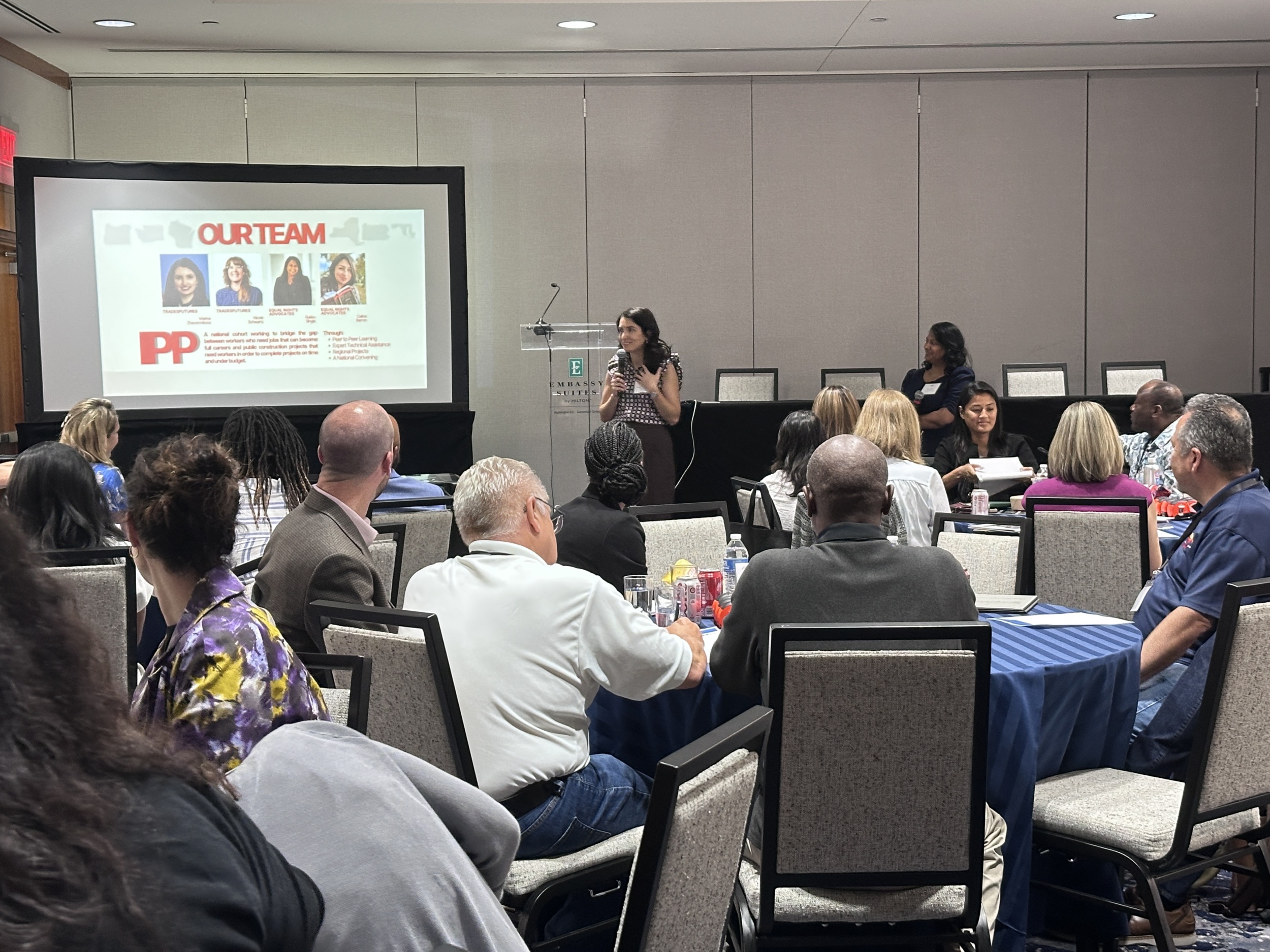
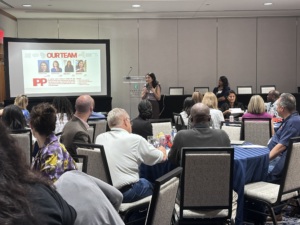
Each regional team arrived in Washington, D.C. for IPP’s first in-person convening with a project proposal designed to build a more inclusive public construction workforce and left with new tools for making the financial case that keeps programs like these funded. The projects each address area-specific barriers to recruitment and retention.
Improving retention
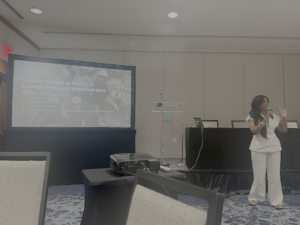
Chicago Women in Trades (CWIT) brought the retention picture into sharp focus, pointing to why retaining tradeswomen is so critical for the success of the whole construction industry: lowering turnover results in lower training costs, and a safer, more skilled workforce. CWIT drew on national data to name what tradeswomen face: inconsistent hiring and lay off practices, underreported harassment, isolation on job sites, and childcare burdens that an industry built around a different workforce has not sufficiently addressed . These problems can be daunting for an individual stakeholder to address. CWIT outlined fast first steps to understanding regional retention barriers (like actually talking to current apprentices and tradespeople!), as well as tailored program solutions including mentorship, respectful worksite training, accountability, family-friendly supports, and pre-apprenticeship bridge programming.
Making the case with numbers
Social Finance delivered frameworks for building credible funding arguments through real examples showcasing programs serving workers facing significant employment barriers with strong returns for participants, employers, and the public alike. The presentation sparked dialogue among the cohort about collecting necessary data to make the case for further investment.
The attendees left the convening energized and equipped to move their projects forward. The convening was a prime example of how IPP is building a nationwide learning network, bringing together labor leaders, policymakers, and community advocates to share best practices, tackle common challenges, and highlight innovative approaches that can be replicated across the country.

Close and continue to EqualRights.org

Our communities need us now more than ever. Join an ERA email list for concrete ways you can defend gender, racial, and economic justice.
Learn what your rights are so you can navigate your situation and make the best decision for you.
Aprende sus derechos para que puedas navegar su situación y tomar la mejor decisión para ti.