
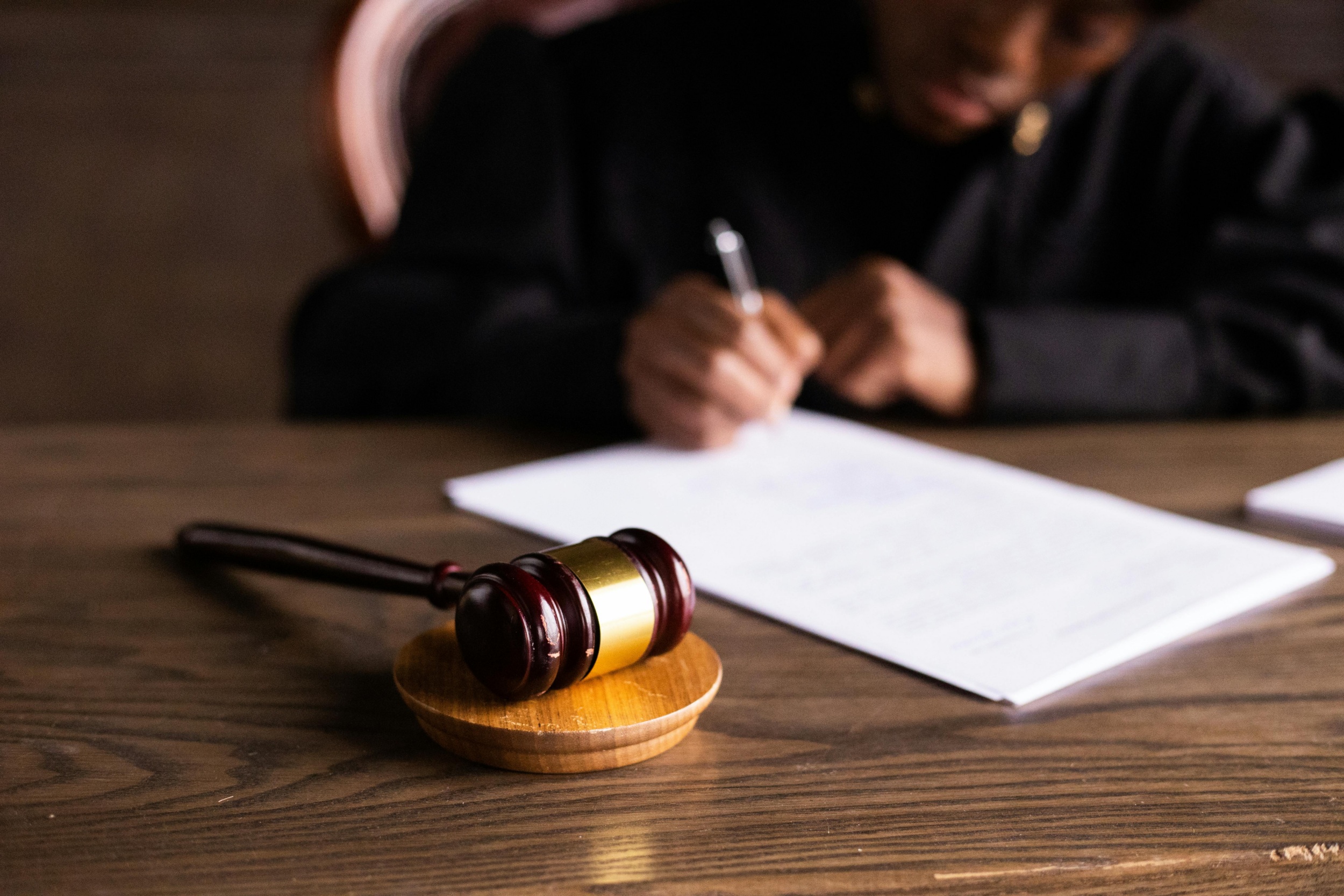
To many workers, signing an employment contract is a moment of real significance. It symbolizes the opportunity to build economic security, advance a career, or pursue a dream. What few realize is that the same paperwork can quietly strip away their right to access justice. But this is the reality for more than half of U.S. workers whose employment contracts contain forced arbitration clauses. These clauses require employees to bring legal claims related to workplace rights violations via arbitration, a private and secret forum that is stacked against them, rather than a courtroom. A growing number of workers are required to sign these agreements as a condition of employment.
Some progress has been made in the last few years to protect workers from this unjust employment practice. The Federal Arbitration Act (FAA) governs legal disputes concerning arbitration agreements. Although the FAA effectively establishes a federal policy that favors arbitration, two important exemptions exist at the federal level. First, certain transportation employees—specifically, seamen, railroad employees, and others engaged in foreign or interstate commerce—are exempt from forced arbitration. Second, due to the passage of the Ending Forced Arbitration of Sexual Assault and Sexual Harassment Act (EFAA) in 2022, workers who bring forward claims involving sexual assault or sexual harassment can no longer be forced to resolve these claims via arbitration.
These critical federal protections, however, do not exist at the state level. California’s state-level counterpart, the California Arbitration Act (CAA), fails to include these two exemptions, leaving workers vulnerable. The misalignment between state and federal laws governing arbitration agreements results in uneven protections for workers and some employers have attempted to exploit the gap in state law to deny workers’ access to justice that would otherwise be fully protected by federal law.
California Assembly Bill 2155, the Forced Arbitration Justice and Conformity Act, authored by Assembly Majority Leader Cecilia Aguiar-Curry and cosponsored by Equal Rights Advocates and the California Employment Lawyers Association, addresses this justice gap by incorporating these federal exceptions into California law. In an important victory for workers throughout California, in June 2026, the California legislature passed AB 2155 with bipartisan support, and on June 30, Governor Gavin Newsom signed the measure into law.
With the passage of AB 2155, California has taken an important step to ensuring workers no longer have to choose between earning a paycheck and preserving their right to seek justice in court. By aligning the FAA and the CAA, this new law provides greater clarity for employers and employees alike and ensures workers are afforded the right to bring certain workplace disputes in court.
We are grateful to the legislators who stood with California’s workers in supporting AB 2155, and to Assembly Majority Leader Aguiar-Curry for her leadership in authoring and championing this legislation. We also thank our co-sponsor, the California Employment Lawyers Association (CELA), and coalition partners, including the Stronger California Advocates Network, for their support which was instrumental in securing the bill’s passage. Finally, we thank Governor Newsom for signing AB 2155 into law, reinforcing California’s longstanding commitment to protecting workers’ rights.
Close and continue to EqualRights.org

Our communities need us now more than ever. Join an ERA email list for concrete ways you can defend gender, racial, and economic justice.
Learn what your rights are so you can navigate your situation and make the best decision for you.
Aprende sus derechos para que puedas navegar su situación y tomar la mejor decisión para ti.