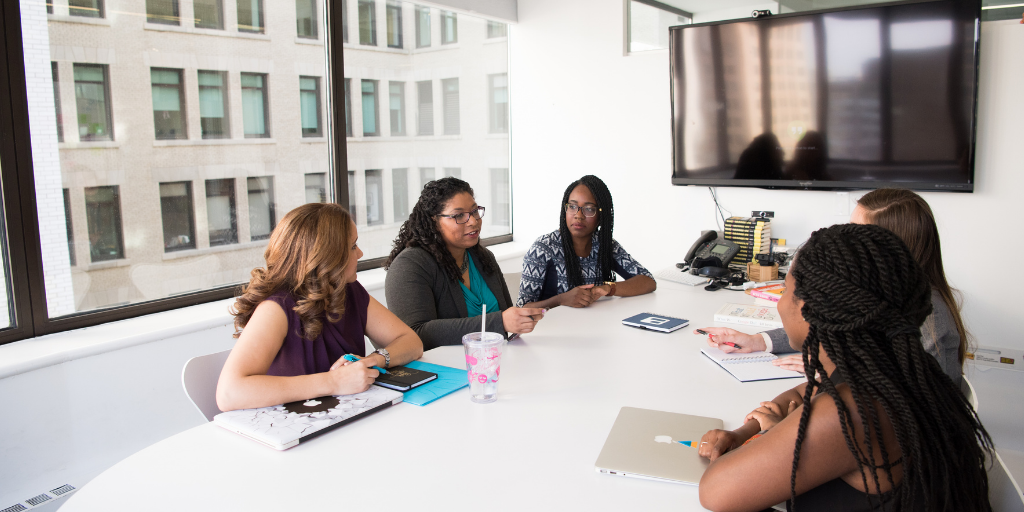
Black women experience one of the largest and most persistent wage gaps in the country due to both racial and gender discrimination. In the U.S., compared to the average U.S. white non-Hispanic man, the average Black woman is paid:
65 cents for full time, year round workers
On this day, we invite the public to raise awareness with us by sharing pre-drafted posts and images on social media.
This wage gap impact compounds over a lifetime and limits wealth, homeownership, and retirement security. Closing this gap requires confronting systemic inequities and ensuring equal opportunity at every stage of employment.
We will highlight the fact that the wage gap for Black women compared to non-Hispanic white men is 65 cents for full time, year-round workers. The wage gap widens to 63 cents when looking at all Black women earners (including full-time, part-time and part-year workers), as compared to all working non-Hispanic white men. These wage gaps are unacceptable.
Black Women’s Equal Pay Day co-leading organizations:
Equal Pay Today | Black Women’s Roundtable | Mississippi Black Women’s Roundtable | National Women’s Law Center | American Association of University Women | Institute for Women’s Policy Research | National Organization for Women I National Black Worker Center
Black women continue to be underpaid, undervalued, and overrepresented in low paid jobs, with little opportunity for advancement and that lack important workplace protections. Recently, these disparities have been compounded by the Trump Administration firing federal workers, ending government contract employment opportunities, and attacking the very diversity, equity,and inclusion programs that make our workforce so strong. In its effort to dismantle the federal government, the Trump administration has targeted numerous agencies where women and people of color make up a majority of workers, and Black women are likely to be disproportionately harmed by these cuts.
According to the latest data from the Bureau of Labor Statistics, the unemployment rate for Black women ages 20 and over rose to 6.2% in May, outpacing the national average of 4.2%. According to Bloomberg News, over the past year, the percentage of Black women working in the federal government has plummeted by nearly a third.
As we continue to fight for equal pay, we know that there are many factors and forms of discrimination in employment that impact Black women’s pay throughout their careers, reducing their economic security and stability. As opportunities are being dismantled, Black women, already underrepresented in higher paid jobs, have less access to long term economic security.
On this #BlackWomensEqualPayDay, we are calling attention to the intentional dismantling of opportunities for Black women. As our shared call to action, we are demanding the Trump Administration and Congress end the attack on Black women’s economic security by embracing diversity, equity and inclusion programs, preserving federal jobs, and strengthening the workplace rights that benefit all Americans. Thank you for joining us this year in marking this important day.
Close and continue to EqualRights.org

Our communities need us now more than ever. Join an ERA email list for concrete ways you can defend gender, racial, and economic justice.
Learn what your rights are so you can navigate your situation and make the best decision for you.
Aprende sus derechos para que puedas navegar su situación y tomar la mejor decisión para ti.